Ads allow content creators to provide free useful and compelling content to the public. We may earn money or products from the companies mentioned in this post. See the Affiliates and Disclosures page in the top menu of this website for detailed information.
How to create a more relaxed home
In a world where chaos seems to be the norm, our homes serve as sanctuaries, shelters from the storm of everyday life. Yet, in the hustle and bustle of our modern existence, it’s all too easy for our living spaces to become yet another source of stress. The clutter accumulates, the noise persists, and the constant buzz of technology can overwhelm our senses.
But what if our homes could be more than just a place to eat and sleep? What if they could actively contribute to our well-being, providing a refuge from the clamor of the outside world?
In this post I will cover some ways to cultivate more calm in your everyday life and in your home in particular.

You may like this post on 10 hobbies to help you recharge and relax and how crochet boosts mental health.
Table of Contents
Step 1: Clear out chaos
Clutter prevents calm feelings, and it’s believed by many that items hold energy and if you have amassed a plethora of items with neutral or even negative energy all collecting in one area that will be an energy zapper.
Here I wrote about the difference between a maid service, a professional organizer and an interior decorator. If you feel overwhelmed by the idea of decluttering, enlisting a professional organizer for just a few hours can really make a difference and take the overwhelm (and emotion) out of it.
Decluttering will instantly make a room feel calmer and lighter.
In this post I go into detail about how to clear negative energy from your home, especially important after you do a full declutter session.
Step 2: Create a serene space
If you share a home with others you may be limited to having just one calm space. This space can be your go-to safe haven. Once you’ve decluttered you can make some tweaks to introduce more relaxing colors and elements that amplify the peaceful feeling.
That could be a bedroom or a living room, or anywhere else that you like to spend time and where you’d find it easy to relax if things were a little more peaceful and a little less cluttered and chaotic.
You can consider elements that include indoor plants, soft furniture, neutral colors, and some personal items to ensure you can enjoy your space as much as possible – eliminating screens and devices in this dedicated space is ideal if possible.
In this post I cover how to transform even a rental bathroom into a spa like atmosphere.
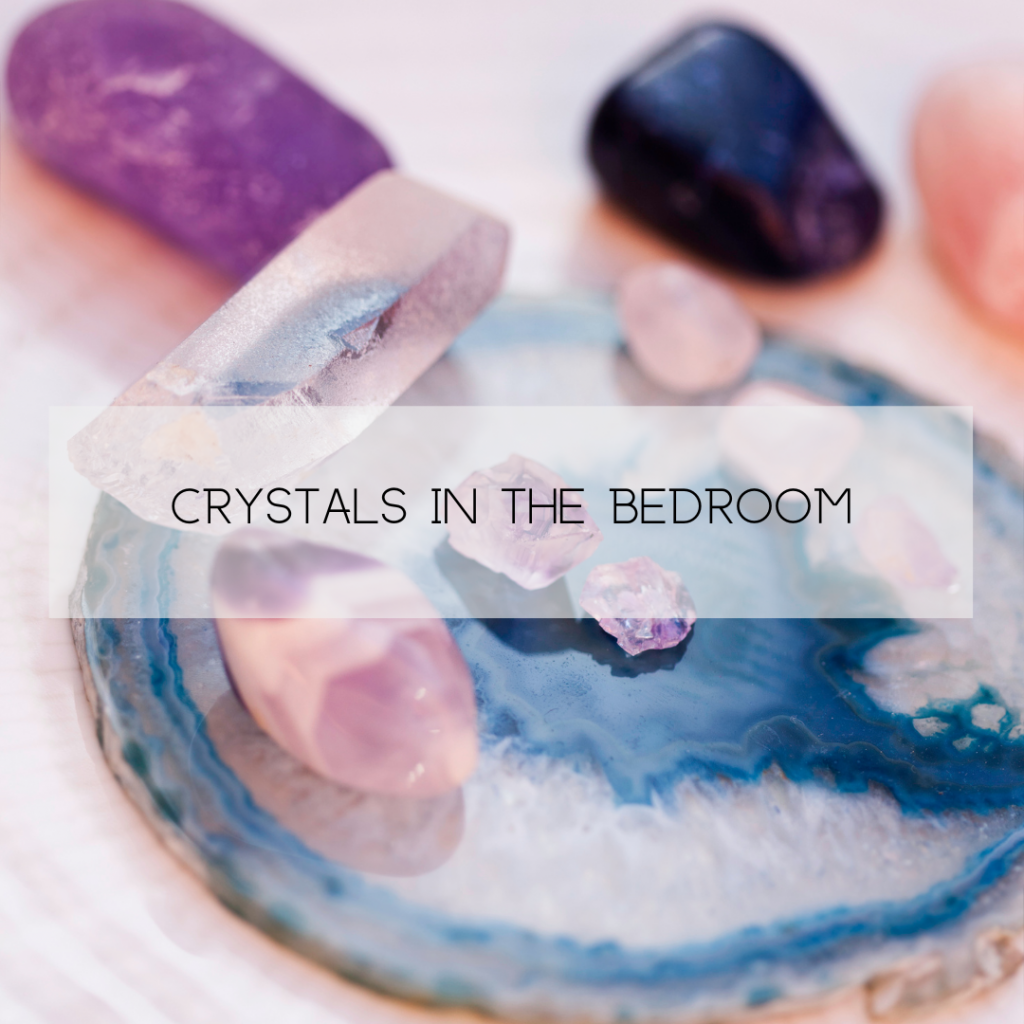
Read this post on which crystals are best for the bedroom if you’d like to amplify relaxation, love and peacefulness.
Step 3: Prioritize Self-Care
Now that you’ve created a lovely, serene space to relax in, what happens if you get there and still can’t quite settle? I cover how to meditate when you can’t . These are alternative methods to get the benefits of meditation when you can’t quiet your mind.
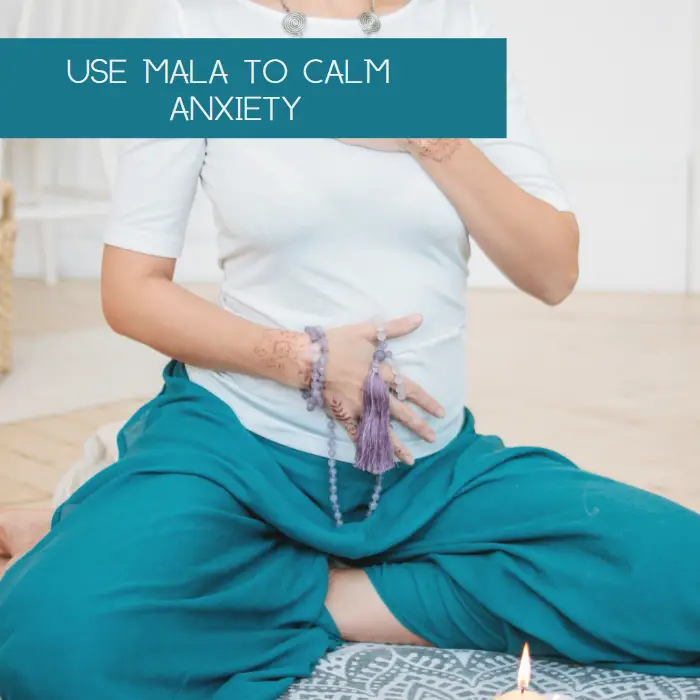
What other forms of self care can you benefit from? Your body also needs to be maintained with practices such as yoga, relaxing bathing rituals, a chiropractor to reduce your back pain, a mala practice, or hobbies that help mental health.
Step 4: Have A Routine
It’s great to be spontaneous and go on adventures, but this creates excitement in the body and mind, not peacefulness.
Routines create peacefulness because the habits that come from routines create predictable results and with little mental effort. Familiarity with a routine can also lead to comfort. These actions become habits it’s better to stick to a routine – you’ll feel much more relaxed when you do.
When you’ve got a comforting daily routine, your mind perceives stability which can help reduce stress and anxiety and make you calm and peaceful.
Think about routines you can implement in different parts of your day so the unpredictable parts of the day are balanced.