Ads allow content creators to provide free useful and compelling content to the public. We may earn money or products from the companies mentioned in this post. See the Affiliates and Disclosures page in the top menu of this website for detailed information.
Finding an outlet to unwind and care for our mental health has never been more essential
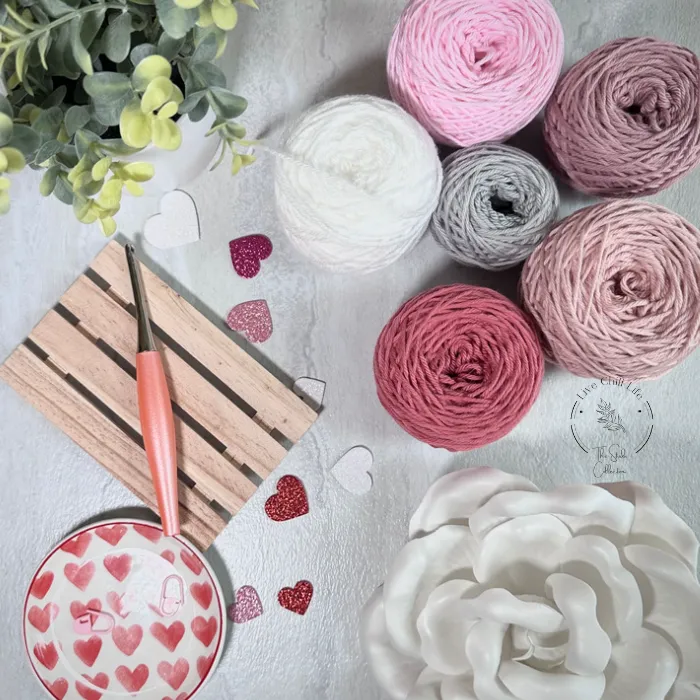
I have been a crocheter for many years now. While for me, it’s very much a creative outlet I have met many people who found crochet as a way to cope with grief, stress and depression.
I think in general people have the first thought that they could turn to yoga or meditation, others discover therapeutic benefits in their hobbies—and crochet is a standout contender. Beyond being a creative outlet, crochet offers profound advantages for mental well-being and cognitive function, especially as we age. I go over this in the importance of having a hobby.
The Therapeutic Power of Crochet
Crochet is more than just loops and stitches; it’s a mindful practice that can calm the mind and soothe the soul. Here’s how:
1. Stress Reduction
The repetitive motions of crochet help anchor the mind, providing a sense of rhythm that’s almost meditative. This focus can reduce cortisol levels, our body’s primary stress hormone, and bring about a sense of relaxation.
2. Anxiety Management
Anxiety can feel overwhelming and just stop you in you tracks. You may not want to do ANYTHING. Crochet’s tactile and visual aspects can help redirect anxious thoughts, providing a constructive distraction. The satisfaction of creating something tangible also fosters a sense of accomplishment and control, which can counter feelings of helplessness.
3. It is a mood booster
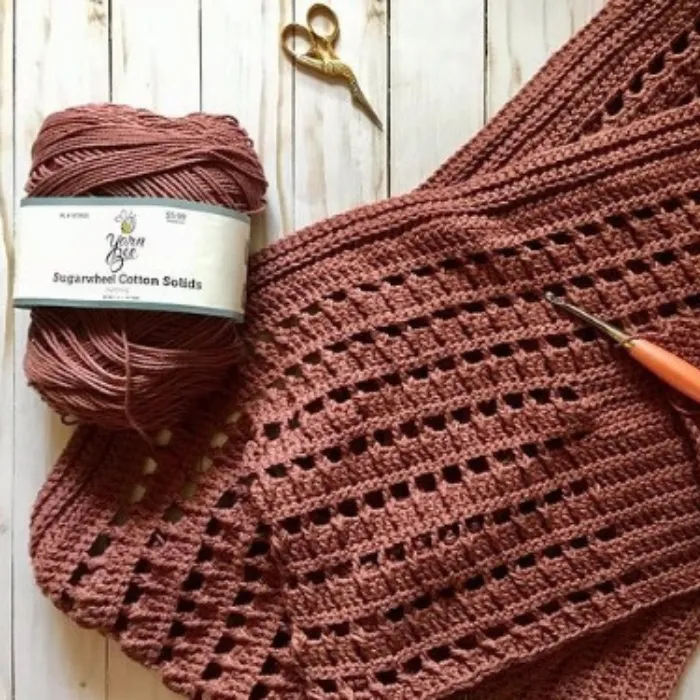
Completing a crochet project—even something as simple as a coaster—triggers the release of dopamine, the “feel-good” neurotransmitter. This can enhance mood and create a positive feedback loop that encourages continued engagement.
Cognitive Benefits of Crochet
Hobbies like crochet aren’t just good for the soul; they’re a workout for the brain too. As we age, maintaining cognitive function becomes increasingly important, and crochet offers several advantages:
1. Enhancing Memory
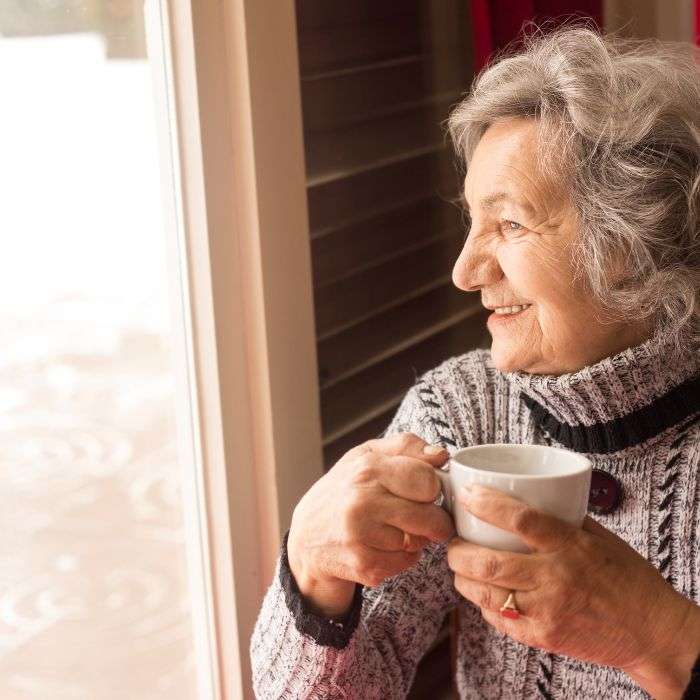
Following patterns and remembering stitches challenge our working memory and keep our brains engaged. This mental stimulation can help delay the onset of age-related cognitive decline. I go over this in the benefits of hobbies as we age.
2. Improving Focus
Crochet requires concentration, particularly for complex patterns or techniques. This sharpens our attention span and improves our ability to stay present in the moment.
3. Promoting Neuroplasticity
Learning new stitches or techniques fosters neuroplasticity, the brain’s ability to form and reorganize connections. This adaptability is crucial for lifelong learning and resilience.
You may like this post on beginner friendly textured crochet stitches.
Social and Emotional Benefits
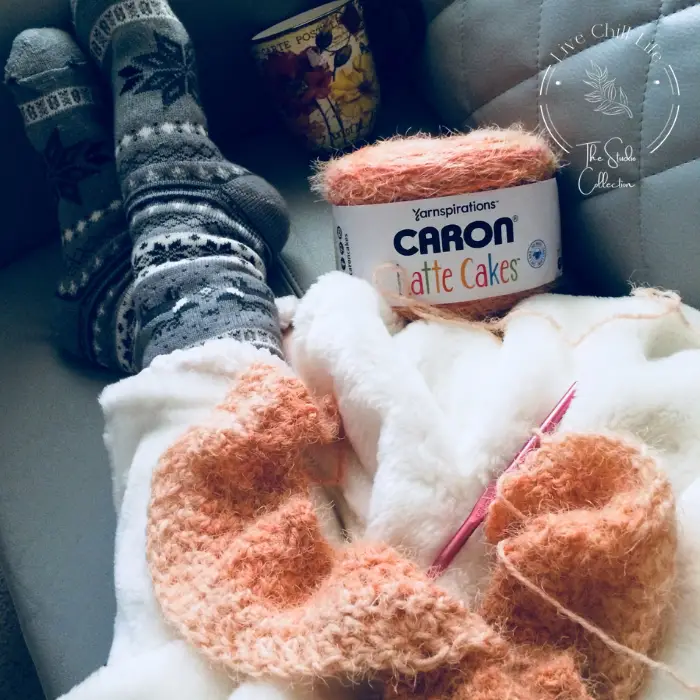
Crochet can also be a gateway to building connections and strengthening relationships, which are vital for emotional well-being:
- Community Building: Joining a crochet group or sharing projects online fosters a sense of belonging and combats loneliness. Hobbies can be a great way to form a new friendship.
- Self-Expression: Through colors, textures, and designs, crochet allows individuals to express their unique style and emotions.
- Gifting with Purpose: Making handmade items for loved ones or charities creates a sense of purpose and strengthens bonds.
You may like one of these Hobbies that help you recharge and relax
Incorporating Crochet into Your Life
Starting crochet doesn’t require much—a hook, some yarn, and a willingness to learn are all you need. Online tutorials and beginner-friendly patterns make it easy to dive in. Here are a few tips to get started:
- Set Small Goals: Start with simple projects like dishcloths or granny squares.
- Join a Community: Look for local crochet groups or online forums to stay motivated.
- Make Time: Dedicate a few minutes each day to crochet and let it become a part of your self-care routine.
If you almost invariably get too many projects going at once, extremely common with knitters and crocheters, this article on how to manage your projects may be helpful.
Conclusion
Crochet is more than just a hobby; it’s a form of therapy that nurtures both mind and body. Whether you’re looking to manage stress, boost cognitive function, or simply find joy in creating, this craft has something to offer at every stage of life. So pick up a hook, grab some yarn, and stitch your way to a healthier, happier you.