Ads allow content creators to provide free useful and compelling content to the public. We may earn money or products from the companies mentioned in this post. See the Affiliates and Disclosures page in the top menu of this website for detailed information.
The Pros and Cons of Using Merino Wool Yarn
When looking for yarn, we often look at the fiber(s) on the yarn label to determine which is best for our projects.
Merino wool is commonly found in yarn both as 100% or blended with another fiber. So what is Merino wool exactly?
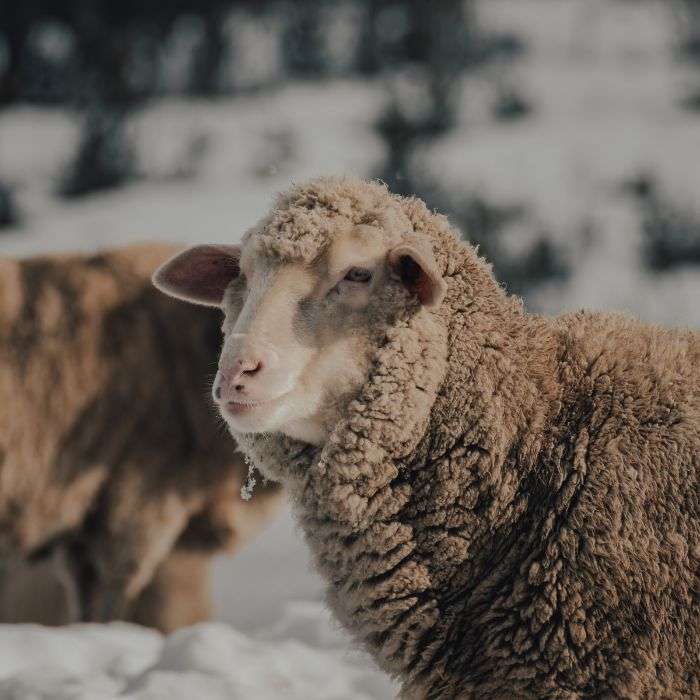
Merino wool is a luxurious, natural fiber that has gained popularity among crafters and yarn enthusiasts for its softness and versatility. Sourced from Merino sheep, primarily found in Australia and New Zealand, this wool is known for its fine texture and exceptional comfort. Merino sheep were introduced to the United States in Vermont in 1812.
But is it the right choice for your next crochet project? Let’s explore what makes Merino wool special and weigh its pros and cons.
What Makes Merino Wool Unique?
Merino wool stands out due to its ultra-fine fibers, often measuring between 18 to 24 microns in diameter. This makes it significantly softer than traditional wool, providing a silky-smooth feel against the skin. Unlike other types of wool, Merino is less likely to cause itchiness, making it a popular choice for garments worn directly on the skin, like sweaters, scarves, socks, and baby items.
Superwash wool is a term you will see on yarn labels, which indicates the wool has been treated to make it more washable (it won’t shink or felt up like untreated wool)
In addition to its softness, Merino wool boasts impressive elasticity and resilience. Its natural crimp allows it to retain shape well, offering durability and flexibility for various crochet and knit projects.
If you like to softness of wool but want a warm weather option check out this post on Mako Cotton yarn
Pros of Using Merino Wool in Yarn

- Luxuriously Soft: Merino wool is one of the softest types of wool available, making it ideal for sensitive skin and wearable projects.
- Temperature Regulation: It’s naturally breathable, keeping you warm in winter and cool in summer, making it a versatile choice for year-round garments.
- Moisture-Wicking: Merino fibers absorb moisture without feeling damp, ensuring comfort and preventing odors.
- Elastic and Durable: Its natural elasticity helps garments maintain their shape, reducing pilling and stretching over time.
- Sustainable and Biodegradable: As a natural fiber, Merino wool is renewable and biodegradable, making it an eco-friendly choice.

Check out my project trackers!
Check off style tracking with room for a note on each row.
Large print and regular print available. Large print is great for tired eyes.
Sections for small, medium and large projects so you don’t waste any pages.
Or try a small tracker page for free here.
See the Shop my Books section.
Cons of Using Merino Wool in Yarn
- Price: Due to its premium quality, Merino wool can be more expensive compared to synthetic or standard wool options.
- Care Requirements: While some Merino wool is treated for machine washing, untreated varieties require handwashing and careful drying to prevent shrinking.
- Allergy Concerns: While rare, some people may have sensitivities to wool fibers, even soft Merino.
- Pilling: Although it’s durable, Merino wool can still pill with friction, especially in high-use areas.
- Limited Structure: Pure Merino can lack the stiffness needed for projects requiring firm shaping, like bags or baskets. You will find it best suited to wearables and it’s particularly well suited for socks.
Merino Wool Blends: A Balanced Option
For those looking to combine the benefits of Merino wool with other fibers, blends are an excellent option. Here are a few common Merino wool blends and their advantages:
- Merino and Nylon: Adds strength and durability, making it perfect for socks and garments that experience frequent wear.
- Merino and Silk: Provides a subtle sheen and enhanced softness, ideal for luxurious scarves and wraps.
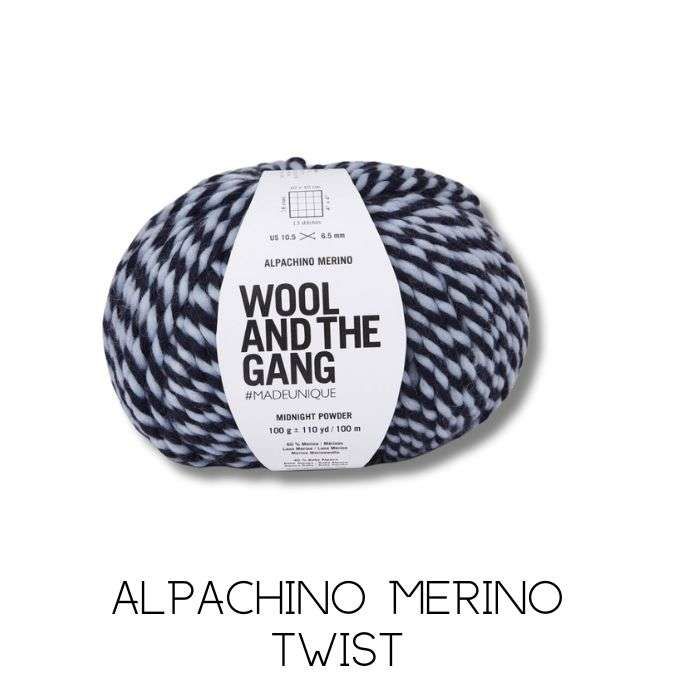
- Merino and Alpaca: Increases warmth and adds a slightly fuzzy halo, great for cozy winter garments.
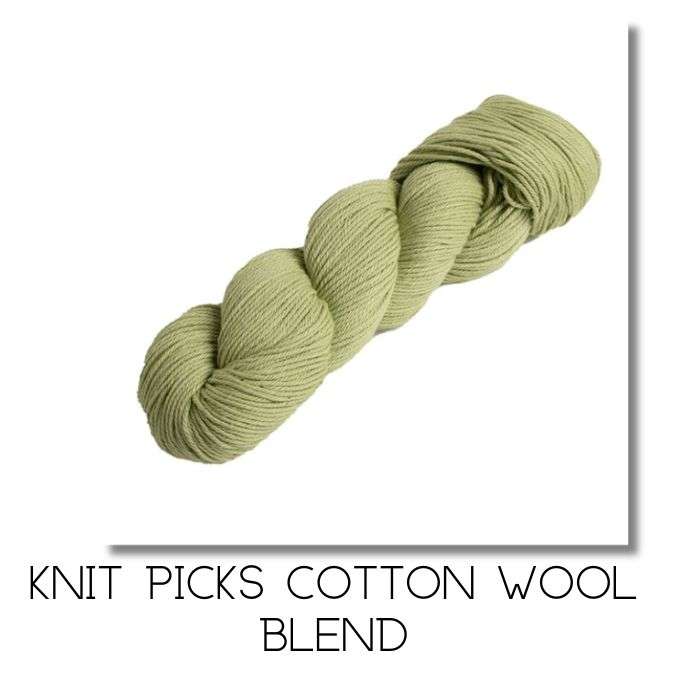
- Merino and Cotton: Combines softness with breathability, suitable for lightweight summer projects.

Merino wool is a fantastic choice for crochet projects that prioritize softness, warmth, and luxury. While it may require some extra care and investment, its comfort and performance make it worth considering. For more affordable or low-maintenance options, exploring Merino blends can provide the perfect balance of beauty and practicality.